
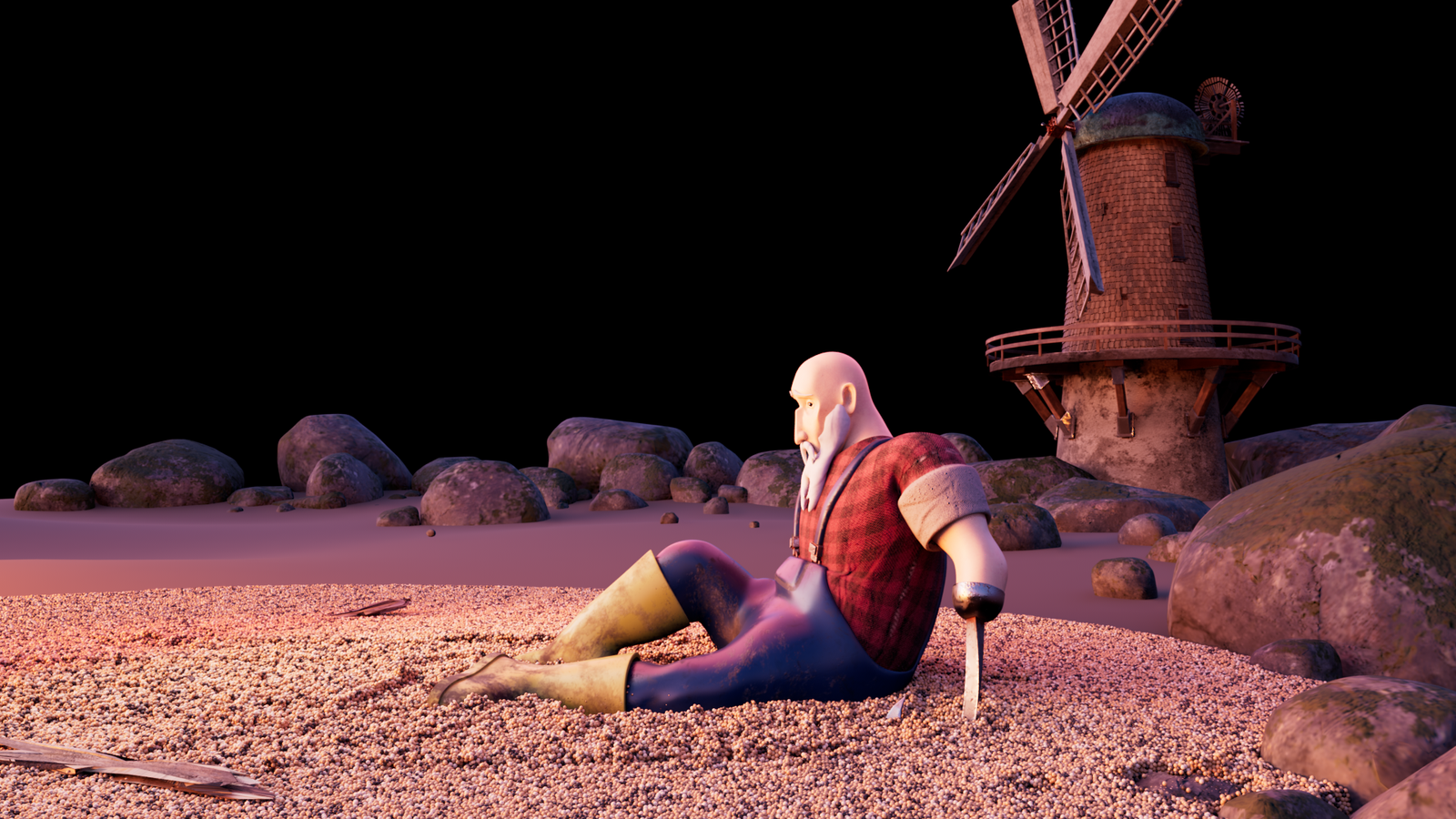
In modern 3D animation and visual effects, compositing is where everything truly comes together. While 3D modeling, animation, and rendering create the building blocks of a scene, compositing is the final stage that transforms those elements into a polished, cinematic image.
At LeJo Spark Studios, compositing plays a critical role in delivering high-quality visuals efficiently—allowing creative flexibility, faster revisions, and a higher level of realism without the need for costly re-renders.
What Is Compositing in 3D Animation?
Compositing is the post-production process of layering and blending multiple visual elements—such as 3D renders, live-action footage, visual effects, and motion graphics—into a single, seamless final image.
Instead of rendering everything as one flat image, 3D scenes are broken down into separate components called render passes, which are then combined and refined using compositing software like Nuke or Adobe After Effects.
This approach gives artists precise control over lighting, color, depth, and effects, all without touching the original 3D scene.

Why Compositing Is Essential in Modern 3D Pipelines
1. Faster Revisions, Smarter Workflows
Re-rendering a complex 3D scene can take hours—or even days. With compositing, small changes such as adjusting brightness, enhancing reflections, or tweaking shadows can be done in minutes.
This makes compositing especially valuable for client-driven projects, where feedback and revisions are part of the creative process.
2. Greater Creative Control
Compositing allows artists to:
-
- Fine-tune lighting and contrast
-
-
- Apply cinematic color grading
-
- Add depth of field and motion blur
-
- Enhance atmosphere with fog, glow, or particles
-
- Introduce lens effects such as flares or film grain
These subtle details add realism and emotion that are difficult to achieve in a single render.
3. Seamless Integration of 3D and Live Action
Many commercial and branded projects combine CGI with real-world footage. Compositing ensures all elements feel like they exist in the same environment through:
-
- Camera tracking
-
-
- Color matching
-
- Light wrapping
-
- Shadow integration
The result is CGI that feels natural, grounded, and believable.
Understanding Render Passes
Rather than producing one final image, 3D scenes are rendered into multiple passes, each representing a specific visual component.
Common render passes include:
-
- Diffuse (base color)
-
-
- Specular and reflections
-
- Shadows
-
- Ambient occlusion
-
- Emission (screens, lights)
-
- Z-Depth (distance from camera)
-
- Motion vectors (movement data)
By controlling these passes individually in compositing, artists gain unmatched flexibility during post-production.
The Compositing Workflow at LeJo Spark Studios
Our compositing process is designed to balance speed, quality, and creative freedom:
-
- Render Optimization
Clean, well-organized passes exported from our 3D software.
-
-
- Layering & Integration
Combining CGI, live footage, backgrounds, and graphics into a unified scene.
- Layering & Integration
-
- Look Development
Color grading, contrast shaping, and lighting refinement to match the project’s visual tone.
- Look Development
-
- Final Polish
Adding cinematic effects such as motion blur, depth of field, grain, and atmospheric elements.
- Final Polish
This workflow ensures consistency across projects while allowing each brand’s identity to shine.
How Compositing Adds Value for Clients
For brands and agencies, compositing offers:
-
- Faster turnaround times
-
-
- Cost-effective revisions
-
- Multiple visual styles from a single render
-
- High-end cinematic results
-
- Scalable content for different platforms and campaigns
Whether it’s a product animation, a brand film, or a mixed-media commercial, compositing allows us to deliver premium visuals efficiently.
Final Thoughts
Compositing is more than a technical step—it’s a creative art form that elevates 3D animation from good to exceptional. By combining technical precision with artistic judgment, compositing enables studios to produce visually compelling content while staying flexible and efficient.
At LeJo Spark Studios, compositing is a key part of how we bring ideas to life—transforming digital assets into immersive visual experiences.